African Wild Dog
(Lycaon pictus pictus)
The African Wild Dog is listed as endangered by the IUCN and the United States Endangered Species Act. Habitat loss and diseases that are spread by domestic animals jeopardize the remaining African hunting dog populations. These animals are one of Africa's most endangered carnivores. They are nearly as endangered as the black rhino and they are still persecuted by farmers and hunters. Fewer than 5,000 dogs remain and because they need vast home ranges, it makes conservation difficult.
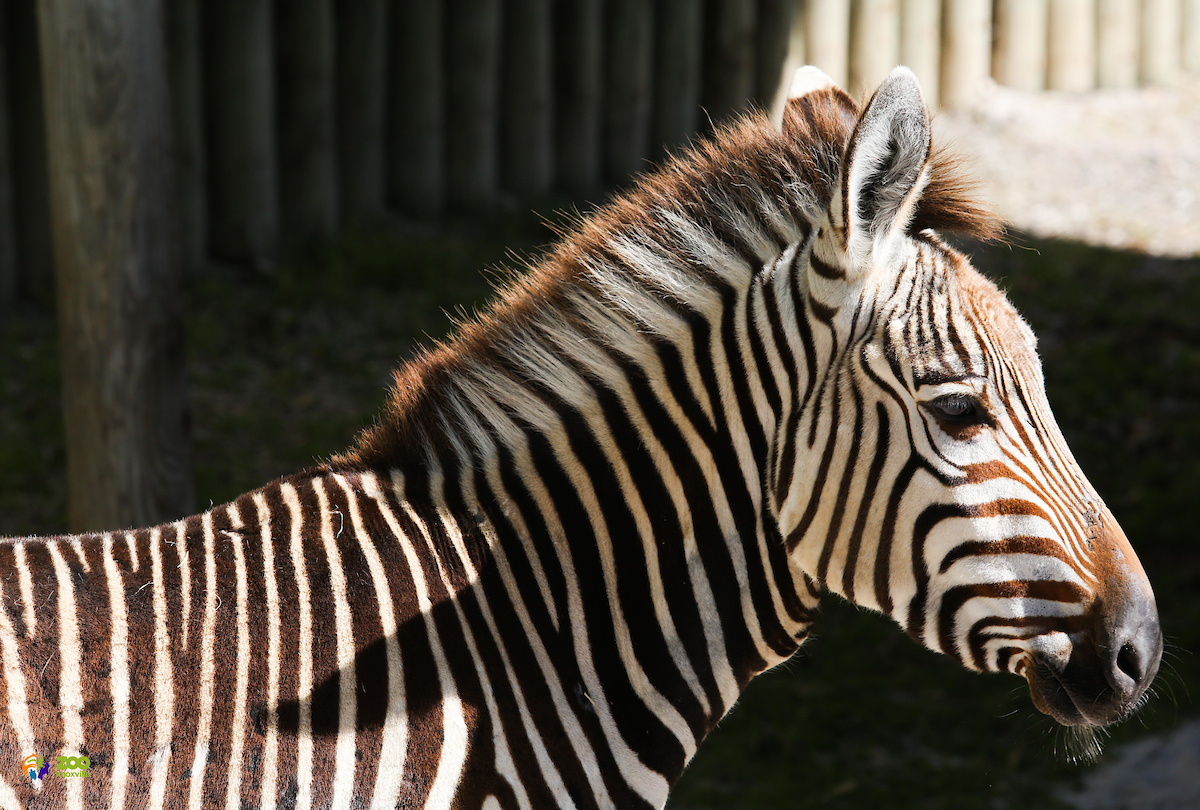
The African hunting dogs' scientific name, Lycaon pictus, reflects the color of their coat. Lycaon pictus literally means "painted or ornate wolf." The fur appears to be painted with brown, red, black, yellow and white areas. The pattern of colors is different on each animal's coat, much like the stripes of zebras. Typically there is dark fur on the head and a white tip on the end of their bushy tail. Males and females tend to be approximately the same size. They have large, round ears used for communicating and controlling body temperature. Their ears are also long, rounded and covered with short hairs. African hunting dog legs are long and slender, and there are only four toes on each foot (unlike most canids who have four on the hind feet and five on the forefeet). Their jaws are broad and powerful.
There are a lot of names for African Wild Dogs. They are also known as the Cape Hunting Dog, and Painted Hunting Dog. African Wild Dogs are quite different from the normal domestic dog and are not closely related to them. They are unique to Africa, and are the only species in their branch of the family tree. Though some may get them confused, African Wild Dogs are not related to Hyenas either. Hyenas are a family of their own, the Hyaenidae. Hyenas more closely related to cats than dogs, but their closest relatives are mongooses and meerkats.
African Wild Dogs fill the ecological role or niche of the wolf in Africa. One of the most efficient of all predators, they do not hesitate to attack small hares or large zebras. African hunting dogs eat small and large mammals such as impala, wildebeest and zebra as well as rodents. This species does not hunt in relays but rather depends on endurance that is greater than their prey. They can run at about 35 m.p.h. for 3 miles or more.
African Wild Dogs are very social animals that live in packs of 5-20 individuals; rarely as many as 60. They are actually considered to be the most social of all mammals. Their voice sounds like twittering, bird like chirps when excited. Greeting ceremonies and pep rallies are part of the African Wild Dogs' social behavior. The pack members beg attention from the dominant female by licking at her mouth. They greet each other at dawn with leaps, grunts, squeals, tail-wagging, and mouth licking, and they also groom each other. These actions help to bond the pack and keep it successful in hunting and caring for the pups. The pack members don't fight at a kill over food, and rarely fight for dominance. Each African hunting dog pack has a dominant breeding pair. This pair can be identified by their increased tendency to urine mark. They are normally the only pair of pack members to mate and they tend to remain monogamous for life. Generally the dominant pair prevents subordinates from breeding. There is very little overt aggression among pack members. African hunting dogs live in dens to bear young, which are usually abandoned aardvark holes. All adult pack members regurgitate food to the young and care for weak or old members of the pack. When the pack is hunting, one or two adults remain at the den to guard the pups.